
| Item | Details |
|---|---|
| Product Brief Introduction | Inconel 718 bar is a medical-grade nickel-based superalloy, featuring high biocompatibility, corrosion resistance and precision, specially used for manufacturing high-end medical equipment components, fully meeting the strict safety and hygiene requirements of the healthcare industry. |
| Core Selling Points | 1. Excellent biocompatibility: Non-toxic, non-irritating, no adverse reaction with human tissues and body fluids, safe for long-term contact with the human body;
2. Superior corrosion resistance: Resist corrosion of medical disinfectants, body fluids (blood, tissue fluid) and medical reagents, avoiding material degradation and contamination; 3. High dimensional precision: Strictly controlled tolerances, meeting the ultra-precise assembly requirements of medical equipment, ensuring stable operation of instruments; 4. High mechanical strength and wear resistance: Suitable for manufacturing load-bearing and wearable medical parts, durable and not easy to deform; 5. Good machinability: Easy to process into small, complex-shaped medical components (such as instrument shafts, surgical tools), ensuring processing accuracy; 6. Hygienic and easy to clean: Smooth surface, no dead corners, easy to sterilize (high temperature, high pressure, chemical disinfection), complying with medical hygiene standards; 7. Stable batch performance: Uniform chemical composition and mechanical properties, ensuring consistency of medical equipment parts, avoiding performance differences affecting use safety. |
| Standards | 1. International Medical Standards: ASTM B637 (Medical-Grade Nickel Alloy Bars), ISO 13485 (Medical Device Quality Management System), ASTM F138 (Biocompatible Alloy Standards);
2. Quality System Certification: ISO 9001, ISO 13485, ensuring compliance with global medical equipment quality and safety requirements; 3. Testing Standards: ASTM E8 (Tensile Testing), ASTM E23 (Impact Testing), biocompatibility testing (cytotoxicity, sensitization, hemolysis), ensuring product safety and reliability. |
| Material Grade | 1. Main Grade: Inconel 718 (Medical Grade);
2. International Designations: UNS N07718 (American Medical Standard), W.Nr. 2.4668 (German Medical Standard), EN 2.4668 (European Medical Standard); 3. Equivalent Grades: GB GH4169 (Chinese Medical Standard), JIS NW7718 (Japanese Medical Standard), fully compatible with global medical equipment manufacturing standards. |
| Chemical Composition (Weight %) | 1. Nickel (Ni): 50.00 – 55.00;
2. Chromium (Cr): 17.00 – 21.00; 3. Iron (Fe): 14.00 – 18.00; 4. Molybdenum (Mo): 2.80 – 3.30; 5. Niobium (Nb): 4.75 – 5.50; 6. Titanium (Ti): 0.65 – 1.15; 7. Aluminum (Al): 0.20 – 0.80; 8. Carbon (C): ≤0.08; 9. Manganese (Mn): ≤0.35; 10. Silicon (Si): ≤0.35; 11. Phosphorus (P): ≤0.015; 12. Sulfur (S): ≤0.015; 13. Copper (Cu): ≤0.30. |
| Mechanical Properties (Medical-Grade Annealed State) | 1. Tensile Strength: ≥1240 MPa;
2. 0.2% Yield Strength: ≥860 MPa; 3. Elongation (δ5): ≥15%; 4. Reduction of Area (ψ): ≥30%; 5. Hardness (HB): 300 – 380; 6. Impact Toughness (Akv, Room Temperature): ≥60 J; 7. Wear Resistance: Excellent, suitable for long-term repeated use of medical instruments; 8. Thermal Stability: Stable performance under high-temperature sterilization conditions (121℃, high pressure), no performance attenuation. |
| Dimensional Tolerance (Medical-Grade Precision) | 1. Diameter Tolerance: Precision Grade (≤20mm): ±0.01mm; Ordinary Grade (20-50mm): ±0.015mm, ensuring ultra-precise fit with medical equipment components;
2. Length Tolerance: Fixed Length (0.5m-3m): ±0.1mm/m, maximum full-length tolerance ≤0.5mm; customizable length (minimum 0.1m), meeting small medical parts processing needs; 3. Straightness: ≤0.1mm/m, full-length straightness error ≤0.3mm/3m, avoiding processing deformation of small precision parts; 4. Roundness: ≤0.008mm (diameter ≤20mm); ≤0.01mm (diameter 20-50mm), ensuring uniform diameter and stable processing performance; 5. Surface Finish: Ra ≤0.4μm, mirror-polished optional, no scratches, no burrs, no oxide scale, complying with medical hygiene requirements. |
| Why the Healthcare and Medical Industry Uses This Material | 1. Biocompatibility meets medical requirements: The material is non-toxic, non-irritating, and does not react with human body fluids, which is the core requirement for medical equipment materials;
2. Corrosion resistance adapts to medical environment: It can resist the corrosion of medical disinfectants (alcohol, hydrogen peroxide), body fluids and medical reagents, avoiding material rust and contamination of medical equipment; 3. High precision meets medical instrument requirements: Medical equipment (especially minimally invasive instruments) has ultra-strict requirements on component precision, and the high dimensional precision of this material can ensure the accuracy and stability of instruments; 4. High strength and wear resistance: Suitable for manufacturing load-bearing, wearable and reusable medical parts (such as surgical forceps, instrument shafts), durable and reducing replacement frequency; 5. Hygienic and easy to sterilize: Smooth surface, easy to clean and sterilize, avoiding bacterial growth, complying with medical hygiene standards; 6. Compliance with medical standards: It fully meets international medical material standards and biocompatibility requirements, can pass medical equipment certification, and ensures the safety of clinical use. |
| Applicable Working Conditions in the Healthcare and Medical Industry | 1. Surgical Instruments: Minimally invasive surgical instruments (laparoscopic, endoscopic instruments), surgical forceps, scissors, instrument shafts (working in human body or contact with body fluids);
2. Medical Devices: Medical imaging equipment (CT, MRI) components, diagnostic instrument parts, monitoring equipment connectors (stable performance, no interference with imaging); 3. Implantable Medical Parts: Temporary implantable components (surgical stents, fixation pins), auxiliary implant accessories (biocompatible, non-toxic); 4. Laboratory Equipment: Laboratory test tube holders, reagent delivery components, precision measuring instruments (resisting chemical reagent corrosion, high precision); 5. Sterilization Equipment: Sterilizer baskets, high-temperature sterilization accessories (resisting high-temperature, high-pressure and disinfectant corrosion); 6. Rehabilitation Equipment: Wearable rehabilitation aids, prosthetic components (high strength, durable, biocompatible, comfortable to wear). |
| Corresponding User Needs in the Healthcare and Medical Industry | 1. Safety and Hygiene Demand: Medical equipment manufacturers need materials that are non-toxic, biocompatible and easy to sterilize, ensuring clinical use safety and compliance with medical hygiene standards;
2. High Precision Demand: Medical instruments (especially minimally invasive) require ultra-precise components, and the high dimensional precision of the product can meet the assembly and use requirements of instruments; 3. Durability Demand: Medical equipment and instruments need long service life, and the high strength and wear resistance of the product can reduce replacement frequency and maintenance costs; 4. Biocompatibility Demand: Materials in contact with the human body must be non-irritating, non-toxic, and the product’s excellent biocompatibility can avoid adverse reactions in patients; 5. Standard Compliance Demand: The product meets international medical standards and certifications, ensuring that medical equipment can pass market access and clinical acceptance; 6. Customization Demand: Medical parts have various shapes and sizes, and the product supports customized processing to meet the design needs of different medical equipment. |
| Common Related Products in the Healthcare and Medical Industry | 1. Inconel 718 Medical Forgings: Used to manufacture large medical equipment components (imaging equipment brackets, sterilizer casings);
2. Inconel 718 Medical Welding Wire: Used for welding medical components, ensuring welding strength and biocompatibility, no toxic substances; 3. Inconel 718 Medical Tube: Used for medical catheters, endoscope pipelines (high precision, corrosion resistance, biocompatible); 4. Inconel 718 Medical Sheet/Plate: Used for medical equipment casings, laboratory instrument panels (hygienic, easy to clean); 5. Inconel 718 Medical Fasteners: High-precision bolts, screws for medical equipment assembly (corrosion resistance, no loose, safe and reliable); 6. Inconel 718 Precision Machined Medical Parts: Finished parts (surgical instrument heads, instrument shafts, implant accessories) directly processed from the bar, can be directly assembled and used. |
| Supplementary Information (For Medical Equipment Manufacturers) | 1. Medical-Grade Certifications & Reports: Provide ISO 13485 certification, material test report (MTR), biocompatibility test report (cytotoxicity, sensitization), mechanical performance test report, meeting medical equipment acceptance requirements;
2. Machining Guidance: Provide professional medical-grade machining parameters (precision cutting, polishing), help manufacturers process small, complex medical parts, ensure processing accuracy; 3. Material Traceability: Establish a full-process traceability system, from raw material procurement to finished product delivery, complete records, queryable and verifiable, meeting medical industry quality traceability requirements; 4. Hygienic Packaging: Adopt medical-grade anti-corrosion, dust-proof packaging, avoid contamination during transportation, ensure product hygiene; 5. Technical Support: Provide professional medical material technical guidance, solve problems in processing, welding and assembly, assist in optimizing medical parts design; 6. Customization Service: Support customized size, surface treatment (mirror polishing), and small-batch production, meet the personalized needs of medical equipment manufacturers. |
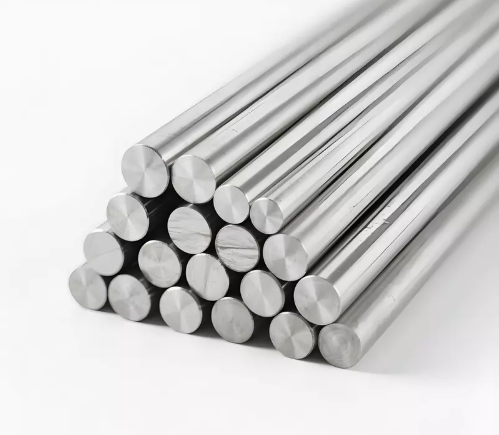
Inconel 718 Bar for Healthcare and Medical Equipment
Premium medical grade Inconel 718 bar owns good biocompatibility, high precision and corrosion resistance, ideal for producing safe and durable medical devices and clinical components.
- Product Model
- Inconel 718 Bar for Healthcare and Medical Equipment
- Minimum Order
- 100kg
- Lead Time
- 7-15Days
- Customization
- Supported
Send drawings, quantity, destination, standards, and certificate needs for a precise RFQ response.
Product Introduction
Built for Global Industrial Procurement
Technical Data
Product Specifications
Specifications can be adjusted according to drawings, standards, working conditions, packaging requirements, and target market compliance.
| Material | Customizable according to application requirements |
|---|---|
| Dimensions | Available according to drawings or samples |
| Surface Treatment | Optional finishes available upon request |
| Quality Standard | Manufactured to agreed inspection and compliance standards |
| Packaging | Export-ready packaging or customized packaging options |
Material Control
Chemical Composition
| Standard / Grade | Customizable according to buyer specification or industry standard. |
|---|---|
| Composition Report | COA, MTC, or equivalent documentation available on request. |
| Traceability | Batch, lot, heat number, or supplier traceability support where applicable. |
| Third-party Test | Inspection by recognized third-party agencies can be arranged before shipment. |
Performance Control
Mechanical Properties
| Strength / Hardness | Matched to selected material, grade, process, and buyer performance standard. |
|---|---|
| Tolerance | Dimensional tolerance and surface finish can be customized by drawing. |
| QC Report | Pre-shipment measurement, visual inspection, and test reports available. |
| Sample Approval | Sample confirmation or pilot order support before bulk production. |
Application Industries
Suitable for Selected Application Industries
The following industries are selected for this product based on its application fit.
| No. | Industry |
|---|---|
| 01 | Healthcare Industry |
Customization
Project-Specific Customization
OEM support is available for project-specific grades, product forms, dimensions, tolerances, surface finishes, machining, inspection, documentation, marking, and export packaging requirements.
Recommended RFQ Details
Product form, material grade, UNS designation, standard, dimensions, quantity, tolerances, surface finish, inspection documents, destination, and required delivery date.
Certificates & Compliance
Certification Information
Each order is reviewed against applicable product specifications, inspection standards, and buyer requirements before shipment.
Contact & Inquiry
Request a Free Quote
Feel free to contact us for free consultation and competitive quotes.