
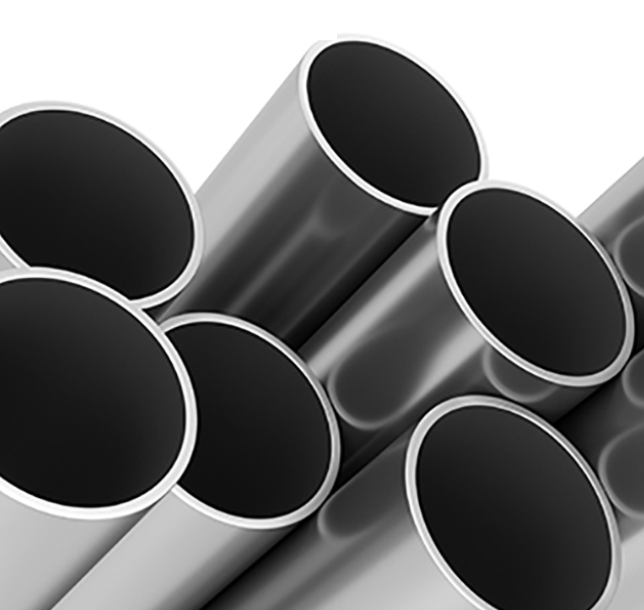
As the benchmark material for severe corrosion automotive applications, Hastelloy C276 pipe delivers 10-20x longer service life than stainless steel while maintaining excellent weldability and formability. It is the only material that can ensure reliable performance in next-generation fuel cell vehicles and heavy-duty commercial vehicles operating in the harshest global environments.
| Item | Details |
|---|---|
| Executive Standards | 1. International Material Standards: ASTM B622, ASTM B619, ASTM B626, ASME SB622, ASME SB619, ASME SB626, DIN 17744, EN 2.4819
2. Automotive Industry Specific Standards: IATF 16949, ISO/TS 16949, SAE J467, SAE AMS 5580, SAE AMS 5596 3. Fuel Cell Specific Standards: ISO 14687, SAE J2578, IEC 62282 4. Testing Standards: ASTM E8 (Tensile), ASTM E23 (Impact), ASTM A450 (Hydrostatic), ASTM E243 (Eddy Current), ASTM G48 (Pitting Corrosion) 5. Quality Management Standards: ISO 9001, ISO 14001, IATF 16949, PED 2014/68/EU |
| Material Grade | 1. Main Grade: Hastelloy C276 (Nickel-Molybdenum-Chromium Superalloy, Automotive Corrosion-Resistant Grade)
2. International Designations: UNS N10276, W.Nr. 2.4819, Alloy C276, NiMo16Cr15Fe6W4 3. Equivalent Grades: NS3304 (China), Hastelloy C276 (USA), Nicrofer 5716 (Germany), fully compatible with all global automotive manufacturing standards 4. Special Grades: Ultra-low carbon and silicon version for maximum weldability; precision seamless version for fuel cell applications |
| Chemical Composition (Weight %) | 1. Nickel (Ni): 57.0% minimum (base element for overall corrosion resistance and thermal stability)
2. Molybdenum (Mo): 15.0 – 17.0 (primary element for reducing acid resistance and crevice corrosion resistance) 3. Chromium (Cr): 14.5 – 16.5 (for oxidizing acid resistance and high-temperature oxidation protection) 4. Iron (Fe): 4.0 – 7.0 (for improved formability and cost-effectiveness) 5. Tungsten (W): 3.0 – 4.5 (enhances corrosion resistance in reducing acids and high-temperature environments) 6. Cobalt (Co): ≤2.5 7. Carbon (C): ≤0.010 (ultra-low content to prevent intergranular corrosion after welding) 8. Silicon (Si): ≤0.08 (ultra-low content to improve weldability and corrosion resistance) 9. Manganese (Mn): ≤1.0 10. Phosphorus (P): ≤0.025 11. Sulfur (S): ≤0.010 12. Vanadium (V): ≤0.35 |
| Mechanical Properties (Annealed State) | 1. Tensile Strength (Room Temperature): 690 – 900 MPa
2. 0.2% Yield Strength (Room Temperature): ≥310 MPa 3. Elongation (δ5): ≥40% (excellent formability for complex components) 4. Reduction of Area: ≥50% 5. Hardness (HB): 180 – 230 6. Impact Toughness (Akv, Room Temperature): ≥150 J 7. Tensile Strength (400℃): ≥550 MPa 8. Tensile Strength (600℃): ≥450 MPa 9. Modulus of Elasticity: 205 GPa 10. Thermal Expansion Coefficient: 11.2 × 10⁻⁶ /℃ (20-100℃) 11. Pitting Resistance Equivalent Number (PREN): >40 |
| Dimensional Tolerance (Automotive Precision Grade) | 1. Outer Diameter Tolerance:
– Precision Cold Drawn (≤30mm): ±0.03mm – Standard Grade (30-80mm): ±0.05mm – Heavy Section (80-150mm): ±0.10mm – Ultra-Precision Grade available upon request: ±0.01mm 2. Wall Thickness Tolerance: ±8% of nominal wall thickness (automotive grade) 3. Length Tolerance: – Fixed Length (1m-6m): ±0.3mm/m – Maximum Full-Length Tolerance: ≤1.5mm – Custom Length up to 12m available 4. Roundness Tolerance: ≤0.008mm (≤30mm); ≤0.015mm (30-80mm) 5. Concentricity Tolerance: ≤0.015mm for precision machined pipes |
| Why This Material Is Used in Automobile Manufacturing (Detailed) | 1. Unmatched Corrosion Resistance to Automotive Environments:
– Exhaust Condensation Resistance: Immune to corrosion from exhaust condensate containing sulfuric acid, nitric acid, hydrochloric acid and organic acids, which causes 90% of exhaust system failures in cold climates. Hastelloy C276 provides 10-20x longer service life than 304/316L stainless steel in these conditions. – Road Salt Resistance: Completely resistant to chloride-induced corrosion from road de-icing salts, eliminating the rust-through problem common in vehicles operating in northern regions and coastal areas. – Fuel Cell Compatibility: The only material that can withstand the highly acidic environment of proton exchange membrane (PEM) fuel cells, resisting corrosion from sulfuric acid electrolytes, hydrogen and oxygen gases. – Urea Solution Resistance: Excellent resistance to corrosion from diesel exhaust fluid (DEF/AdBlue) and its decomposition products, critical for SCR systems in heavy-duty diesel vehicles. 2. Superior Weldability Without Post-Weld Heat Treatment: – Ultra-low carbon and silicon content prevents intergranular corrosion in weld heat-affected zones, eliminating the need for post-weld heat treatment. – Compatible with all high-speed automated welding processes used in automotive manufacturing, including TIG, MIG and laser welding. – Retains 100% of its corrosion resistance and mechanical properties after welding, ensuring long-term reliability of welded joints. 3. Excellent Mechanical Properties Across Wide Temperature Range: – Maintains full mechanical properties from cryogenic temperatures up to 650℃, suitable for both fuel cell systems operating at 80-100℃ and exhaust systems operating up to 600℃. – High strength-to-weight ratio allows for thinner wall sections compared to stainless steel, reducing component weight by up to 30% and improving fuel efficiency. – Excellent fatigue resistance, withstanding millions of thermal and mechanical cycles over the 150,000+ mile service life of modern vehicles. 4. Immunity to Stress Corrosion Cracking (SCC): – Completely resistant to chloride-induced stress corrosion cracking, the most common failure mode of stainless steel in automotive applications. – Resists SCC in both aqueous and gaseous environments, even under high tensile stress conditions. – Eliminates the risk of sudden catastrophic failure in critical safety components. 5. Long-Term Reliability and Low Total Cost of Ownership: – Service life of 15-20 years or 250,000+ miles, significantly longer than stainless steel (3-5 years) in corrosive environments. – Reduces warranty claims and replacement costs, particularly for commercial vehicles operating in harsh conditions. – Critical for premium and luxury vehicles where reliability and durability are key brand differentiators. 6. Environmental and Regulatory Compliance: – Enables the development of more durable emissions control systems that meet strict global emissions standards. – Essential for the commercialization of hydrogen fuel cell vehicles, the most promising zero-emission technology for heavy-duty transportation. – Fully recyclable, supporting automotive manufacturers’ sustainability goals. |
| Application Scenarios and Corresponding Customers (Detailed) | 1. Hydrogen Fuel Cell Electric Vehicles (FCEV):
– Applications: Fuel cell stack components, anode and cathode gas lines, hydrogen supply piping, coolant circulation systems, humidifiers, water separators, pressure regulators, and exhaust systems – Customers: Toyota (Mirai), Honda (Clarity Fuel Cell), Hyundai (Nexo), BMW (iX5 Hydrogen), Mercedes-Benz (GLC F-Cell), Tier 1 fuel cell system suppliers (Ballard Power Systems, Plug Power, Cummins, Bosch) 2. Heavy-Duty Commercial Vehicles and Trucks: – Applications: Diesel engine exhaust systems, selective catalytic reduction (SCR) systems, diesel exhaust fluid (DEF) injection systems, EGR coolers, turbocharger components, and fuel systems – Customers: Daimler Trucks, Volvo Trucks, PACCAR, Scania, MAN, Cummins, Caterpillar, Tier 1 commercial vehicle suppliers (Tenneco, Faurecia, Magna) 3. Premium and Luxury Passenger Vehicles: – Applications: High-end exhaust systems, particularly for vehicles sold in cold and coastal regions, turbocharger wastegates, and corrosion-sensitive underbody components – Customers: Mercedes-Benz, BMW, Audi, Porsche, Bentley, Rolls-Royce, Tier 1 exhaust system suppliers (Akrapovič, Borla, MagnaFlow) 4. Specialty and Off-Highway Vehicles: – Applications: Military vehicles, construction equipment, agricultural machinery, mining trucks, and marine vehicles operating in highly corrosive environments – Customers: General Dynamics, Oshkosh, Caterpillar, John Deere, Komatsu, marine engine manufacturers (Cummins Marine, Volvo Penta) 5. Electric Vehicle (EV) Auxiliary Systems: – Applications: Battery thermal management systems, particularly for vehicles using chloride-containing coolants, high-voltage connector housings, and corrosion-resistant fluid lines – Customers: Tesla, BYD, Volkswagen Group, General Motors, Ford, Tier 1 EV system suppliers (Valeo, Continental, Bosch) 6. Aftermarket Performance Parts: – Applications: High-performance exhaust systems, turbocharger downpipes, and intercooler piping for vehicles operating in harsh environments – Customers: Aftermarket performance parts manufacturers, racing teams, and vehicle customization shops |
| Customer Requirements in This Industry (Detailed) | 1. Performance Requirements:
– Extreme Corrosion Resistance: Must resist corrosion from exhaust condensation, road salts, urea solutions, and fuel cell electrolytes for the entire service life of the vehicle. – Stress Corrosion Cracking Resistance: Must be completely immune to chloride-induced SCC under all operating conditions. – Mechanical Strength: Must maintain sufficient strength and ductility across the entire operating temperature range (-40℃ to 650℃). – Fatigue Resistance: Must withstand millions of thermal and mechanical cycles without cracking or failure. – Pressure Resistance: Must withstand operating pressures up to 35 bar in fuel cell and turbocharger systems. – Hydrogen Compatibility: Must be resistant to hydrogen embrittlement for FCEV applications. 2. Manufacturing Requirements: – Consistent Quality: Must have uniform chemical composition and mechanical properties across all batches to ensure consistent manufacturing performance. – Tight Dimensional Tolerances: Must meet strict dimensional tolerances to ensure proper fit and assembly in automated manufacturing lines. – Excellent Weldability: Must be compatible with high-speed automated welding processes with no post-weld heat treatment required. – Good Formability: Must be able to be formed into complex shapes with tight bend radii without cracking or thinning. – Surface Quality: Must have a smooth, defect-free surface to prevent corrosion initiation and ensure proper sealing. – Cleanliness: Must meet strict cleanliness requirements for fuel cell applications to prevent contamination of sensitive components. 3. Supply Chain Requirements: – Just-In-Time (JIT) Delivery: Must provide reliable on-time delivery to support JIT manufacturing systems used by automotive OEMs. – Scalable Production: Must be able to scale production from prototype volumes (hundreds of units) to mass production volumes (millions of units per year). – Global Supply Capability: Must be able to supply to manufacturing facilities worldwide with consistent quality and lead times. – Inventory Management: Must offer inventory management solutions to reduce customer inventory costs and minimize supply chain risks. – Emergency Response: Must be able to respond quickly to unexpected demand spikes or supply disruptions. 4. Compliance Requirements: – IATF 16949 Certification: Must comply with the IATF 16949 automotive quality management standard. – Full Traceability: Must provide 100% traceability from raw material ore to finished product, including heat treatment records and test results. – Environmental Compliance: Must comply with global environmental regulations including REACH, RoHS, and ELV (End-of-Life Vehicle). – Material Certification: Must provide comprehensive material test reports (MTR) with each shipment, including chemical analysis, mechanical properties, and non-destructive test results. – Safety Standards: Must meet all applicable automotive safety standards for pressure-containing components. 5. Cost Requirements: – Competitive Pricing: Must offer competitive pricing while maintaining the highest quality standards. – Low Total Cost of Ownership: Must provide lower total cost of ownership through longer service life, reduced maintenance, and fewer warranty claims. – Value-Added Services: Must offer value-added services such as cutting, bending, welding, and end forming to reduce customer manufacturing costs. – Long-Term Price Stability: Must provide stable pricing over the multi-year lifecycle of automotive programs. |
| Common Related Products in This Industry | 1. Hastelloy C276 Bars and Rods: Used for manufacturing flanges, fittings, fasteners, fuel cell stack components, and sensor housings
2. Hastelloy C276 Sheets and Plates: Used for manufacturing exhaust heat shields, catalytic converter housings, fuel cell bipolar plates, and end plates 3. Hastelloy C276 Welding Materials: Electrodes, wires, and filler metals specifically formulated for welding Hastelloy C276 components 4. Hastelloy C276 Flanges and Fittings: Elbows, tees, reducers, flanges, and couplings for exhaust and fluid systems 5. Hastelloy C276 Bellows and Expansion Joints: Used to absorb thermal expansion and vibration in exhaust systems and fuel cell piping 6. Hastelloy C276 Heat Exchanger Tubes: Used in EGR coolers, fuel cell thermal management systems, and engine cooling systems 7. Hastelloy C276 Fasteners: Bolts, nuts, screws, and studs for high-corrosion automotive applications 8. Hastelloy C276 Small-Diameter Tubing: Precision small-diameter tubing for fuel cell gas lines, sensor lines, and injection systems 9. Hastelloy C276 Coated Components: Components with specialized coatings for enhanced corrosion resistance or thermal insulation 10. Custom Fabricated Assemblies: Pre-fabricated exhaust manifolds, fuel cell piping systems, and SCR system components |
| Why Choose Us (Emily PIPE) | 1. 20+ Years of Automotive Alloy Expertise: We have been supplying high-performance Hastelloy C276 products to the global automotive industry for over 20 years, with deep understanding of the unique requirements of fuel cell and commercial vehicle applications.
2. IATF 16949 Certified: Our production facilities are fully certified to IATF 16949, the international standard for automotive quality management systems. 3. Dedicated Automotive Production Line: We operate a dedicated clean production line for automotive-grade Hastelloy C276 products, ensuring strict control over quality, cleanliness, and consistency. 4. Full-Process Quality Control: We implement a comprehensive quality control system from raw material inspection to finished product testing, including 100% eddy current testing and hydrostatic testing for all automotive-grade pipes. 5. Advanced Customization Capability: We can produce custom sizes, lengths, wall thicknesses, and surface finishes according to your drawings and technical specifications, including complex bent and formed components. 6. In-House Testing Laboratory: We operate a fully equipped testing laboratory that can perform all required automotive industry tests, including corrosion testing, mechanical testing, and non-destructive testing. 7. Global Automotive Supply Chain Experience: We have extensive experience supplying to global automotive OEMs and Tier 1 suppliers, with reliable logistics partners ensuring on-time delivery to manufacturing facilities worldwide. 8. Professional Automotive Technical Support: Our team of metallurgical engineers and automotive specialists provides expert guidance on material selection, design optimization, and manufacturing techniques for fuel cell and exhaust system applications. |
| Inquiry Guidance Words | 1. If you need high-quality automotive-grade Hastelloy C276 pipes for your fuel cell system, exhaust system, SCR system or other corrosion-sensitive automotive application, please send us your specific requirements including dimensions, quantity, required standards, surface finish and delivery date, and we will provide a detailed quotation within 12 hours.
2. For any questions about material properties, fuel cell compatibility, corrosion resistance in specific environments or automotive industry certifications, our alloy specialists are available to assist you promptly. 3. Emily PIPE is your trusted partner for high-performance corrosion-resistant automotive alloy solutions. Contact us today to discuss how our Hastelloy C276 products can help you develop more durable, reliable and efficient automotive components. |
| Supplementary Industry Information | 1. Comprehensive Test Reports: Each batch comes with a full Material Test Report (MTR) including chemical composition analysis (with verified carbon and silicon content), mechanical properties testing, heat treatment records, non-destructive test results and IATF 16949 compliance documentation.
2. Full Material Traceability: Every pipe comes with a unique heat number and complete traceability documentation from raw material ore to finished product, meeting the strictest automotive industry requirements. 3. Value-Added Processing: We offer comprehensive value-added services including precision cutting, CNC machining, bending, welding, end forming and assembly, providing ready-to-install automotive components. 4. Specialized Automotive Packaging: We use cleanroom packaging for fuel cell components to prevent contamination, along with protective caps, anti-corrosion wrapping and custom crating to prevent damage during transportation. 5. Prototype Development Support: We support small batch prototype orders with fast turnaround times to help you accelerate product development and testing for new automotive programs. 6. Mass Production Capability: We have the capacity to produce millions of Hastelloy C276 pipes per year to support mass production automotive and commercial vehicle programs. 7. Dedicated After-Sales Service: We provide dedicated after-sales support for automotive customers, including technical assistance, quality issue resolution and supply chain management. 8. Sustainability Commitment: All our products are manufactured using sustainable practices and are 100% recyclable, helping you meet your environmental targets and comply with global sustainability regulations. |