

How Should Buyers Select Alloys for Molten-Salt Thermal Energy Storage Systems?
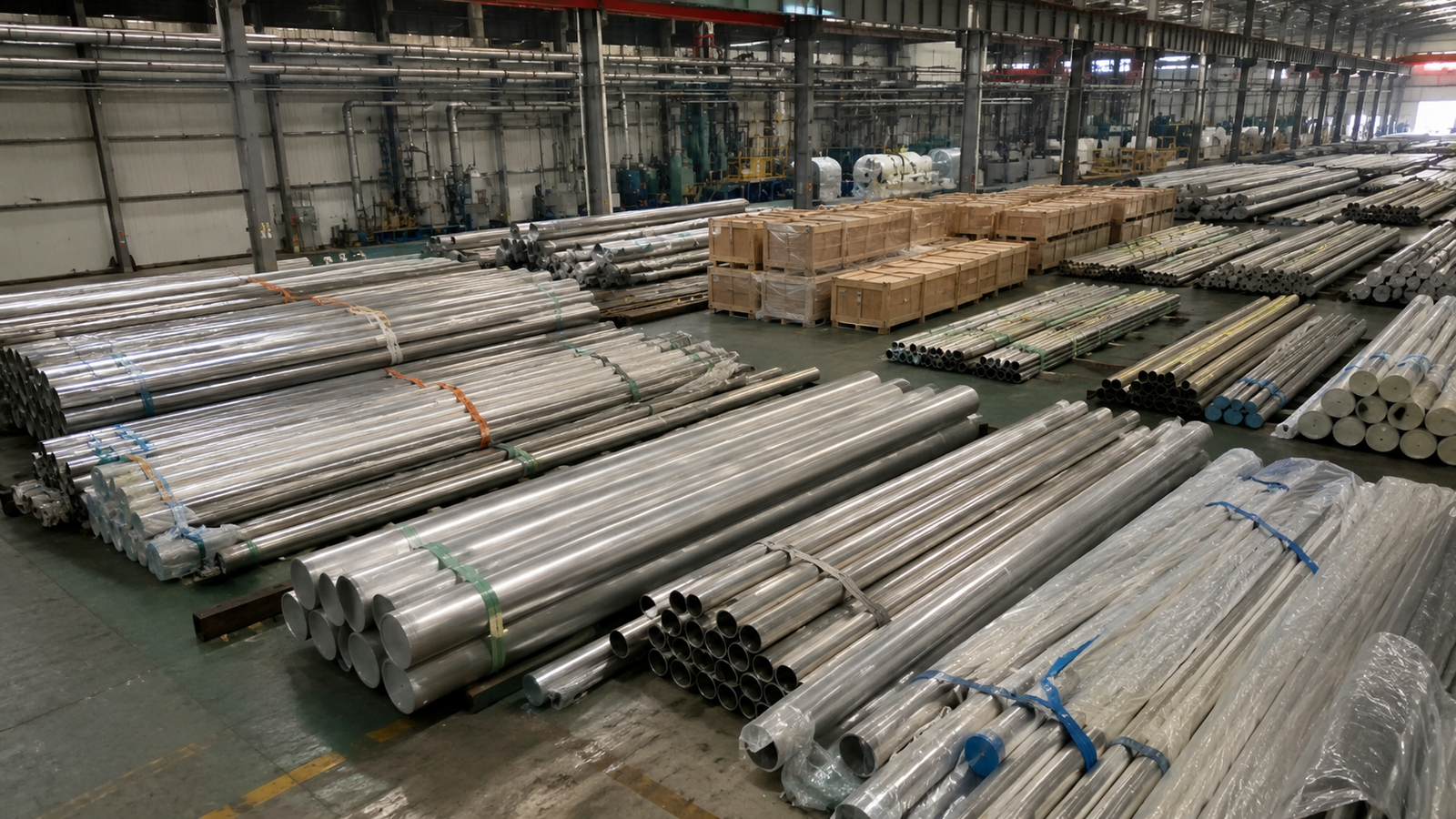
Image credit: Dennis Schroeder / NREL, Wikimedia Commons, public domain.
Alloy selection for molten-salt thermal energy storage should begin with the exact salt chemistry—not with a preferred alloy name.
Commercial nitrate-salt systems and next-generation chloride-salt systems operate at different temperatures and produce different corrosion mechanisms. The material must also retain sufficient strength during long-term exposure, thermal cycling, startup, shutdown, and possible salt-freezing events.
Buyers should select alloys by defining the salt family, impurity limits, maximum metal temperature, component function, design stress, thermal cycles, salt-control method, weld condition, corrosion-test evidence, and required product form. No stainless steel or nickel alloy is automatically suitable for every molten-salt storage system.
First Identify the Molten-Salt Family
| Salt System | Typical Material Challenge | Selection Priority |
|---|---|---|
| Nitrate or nitrite salt | Oxidation, salt decomposition, thermal cycling and high-temperature strength | Match stainless or nickel alloy to maximum metal temperature |
| Chloride salt | Selective dissolution, chromium depletion and strong impurity sensitivity | Control salt purity and redox chemistry before ranking alloys |
| Fluoride or other salts | Highly chemistry-specific compatibility | Use project-specific research and qualification |
Commercial nitrate-based concentrated solar power systems generally operate below approximately 565°C. Chloride salts are being developed for higher-temperature systems, often in the 600–800°C range.
These temperature ranges must not be used as automatic alloy limits. The project must specify the actual normal, maximum and transient metal temperatures.
Nitrate-Salt Systems
Nitrate salts are normally less difficult to contain than high-temperature chloride salts, but they are not harmless.
The material review should include:
- Maximum salt and metal temperature
- Nitrate-to-nitrite conversion
- Chloride contamination
- Moisture and salt purity
- Thermal cycling
- Creep strength
- Tank-bottom thermal gradients
- Weld condition
Possible starting candidates include austenitic stainless steels and nickel–iron–chromium alloys such as Alloy 800H or 800HT.
The final choice depends on the component.
A storage-tank shell may be controlled by thermal gradients and long-term stress, while a hot pipe or heat-exchanger tube may be controlled by creep, corrosion and repeated temperature cycles.
Nickel alloys should not be assumed to remain acceptable when nitrate systems are operated above their established temperature envelope. Sandia testing at 600°C and 680°C found significant material losses for Alloy 625 and Alloy 230 at the higher test temperature.
Chloride-Salt Systems
Chloride salts can support higher operating temperatures, but their compatibility with structural alloys depends strongly on salt condition.
Important variables include:
- Water
- Hydroxides and oxychlorides
- Dissolved oxygen
- Oxidizing metal chlorides
- Salt preparation and drying
- Cover gas
- Redox control
- Salt renewal
- Contamination from connected materials
In some molten chlorides, chromium can dissolve preferentially from chromium-containing alloys. This means that increasing chromium content does not always improve performance.
An ORNL chloride-salt study showed that drying and chemical control of commercial chloride salt substantially changed measured alloy attack.
Therefore, the correct design question is not:
“Which nickel alloy resists chloride?”
It is:
“Which alloy remains acceptable in this purified and controlled chloride salt at the specified temperature?”
Match the Alloy to the Component
| Component | Main Material Requirements |
|---|---|
| Storage tank | Thermal gradients, creep, weldability, foundation interaction and corrosion allowance |
| Hot piping | Pressure strength, creep, welds, thermal expansion and salt compatibility |
| Heat-exchanger tube | Salt compatibility, pressure differential, creep, wall thickness and thermal fatigue |
| Pump or valve internals | Corrosion, strength, galling, thermal expansion and mechanical wear |
| Instrument tubing | Small wall thickness, joints, plugging, thermal cycling and salt freezing |
One material should not be approved for the complete plant merely because it performed acceptably as an unstressed laboratory coupon.
Preliminary Alloy Screening
| Material | Possible Role | Important Limitation |
|---|---|---|
| Austenitic stainless steel | Selected nitrate-salt tanks and piping within a qualified temperature range | Creep, sensitization, chloride contamination and welds |
| Alloy 800H/800HT | High-temperature structural tube or piping candidate | Salt-specific corrosion evidence remains necessary |
| Alloy 600/601 | Heat-resistant pipe or tube candidate | Chloride-salt behaviour depends strongly on purity and temperature |
| Alloy 617 or Alloy 230 | High-temperature strength candidate | High-temperature strength does not prove salt compatibility |
| Alloy 625 | Tube, piping or local component candidate | Not automatically acceptable in nitrate or chloride salts |
| Alloy C-22/C-276 | Project-specific chemical compatibility candidate | Aqueous acid resistance cannot be transferred directly to molten salts |
| Titanium alloys | Specialized project-specific use only | Not a default high-temperature salt-wetted pressure material |
Why Alloy 625 Is Not a Universal Answer
Alloy 625 combines useful strength, fabrication properties and broad aqueous corrosion resistance.
However, an NREL NaCl–LiCl study reported that Alloy 625, although the best-performing alloy among those tested, still experienced a corrosion rate considered unacceptable for economical thermal-storage service.
This illustrates an important rule:
Best in one test does not necessarily mean acceptable for the project.
Why C-276 Should Not Be Selected From Aqueous Data
C-276 performs strongly in many hydrochloric, sulfuric and mixed-acid solutions.
Molten chloride corrosion is different. It may involve selective alloy-element dissolution, impurity-driven redox reactions and subsurface depletion rather than conventional aqueous pitting.
A room-temperature hydrochloric-acid corrosion chart is therefore not suitable evidence for molten-salt thermal storage.
Corrosion Control Is Part of Material Selection
For chloride systems, alloy selection cannot be separated from salt management.
The project should define:
- Initial salt-purity specification
- Drying method
- Purification method
- Maximum water or hydroxide level
- Redox-control method
- Cover-gas composition
- Salt sampling frequency
- Online or laboratory monitoring
- Off-spec response
- Salt replacement or treatment criteria
A literature review by Oak Ridge National Laboratory found that salt purity had the strongest correlation with reported corrosion performance across chloride and fluoride studies.
Purchasing a more expensive alloy without controlling the salt may not solve the corrosion problem.
What Evidence Should Support the Selection?
A useful qualification test should reproduce the actual system.
| Test Input | Required Definition |
|---|---|
| Salt | Exact mixture and supplier |
| Purity | Water, oxide, hydroxide and metallic impurities |
| Temperature | Normal, maximum and transient |
| Atmosphere | Air, inert gas or controlled redox condition |
| Material | Exact grade, heat treatment and product form |
| Weld | Parent material, weld metal and heat-affected zone |
| Stress | Unstressed or representative mechanical stress |
| Flow | Static capsule or flowing loop |
| Duration | Sufficient to identify continuing attack |
| Thermal cycle | Heating, cooling and freeze-recovery conditions |
| Evaluation | Mass change, maximum depth, elemental depletion and microstructure |
A credible report should provide more than average mass loss.
It should also report:
- Maximum penetration depth
- Intergranular attack
- Chromium or other elemental depletion
- Surface and cross-sectional microscopy
- Salt chemistry before and after testing
- Weld response
- Mechanical properties after exposure where required
Static capsule testing is useful for screening. Flow-loop or pilot testing provides stronger evidence for piping and heat exchangers.
Product Standards Do Not Prove Salt Compatibility
Examples of applicable tube product standards include:
- ASTM B407-22 for Alloy 800H/800HT and related nickel–iron–chromium alloys
- ASTM B167-23 for Alloy 600, 601, 617 and related nickel alloys
- ASTM B444-23 for Alloy 625 seamless pipe and tube
These standards verify product chemistry, heat treatment, mechanical properties and specified manufacturing tests.
They do not prove:
- Compatibility with the selected salt
- Acceptable 20-year corrosion loss
- Resistance to salt impurities
- Thermal-fatigue life
- Creep life for the complete component
- Welded-system reliability
Application approval requires separate engineering evidence.
What Buyers Should Include in the RFQ
| RFQ Category | Required Information |
|---|---|
| Salt family | Nitrate, nitrite, chloride, fluoride or other |
| Salt composition | Full mixture and concentration |
| Impurities | Water, oxygen, hydroxides, oxides, chlorides or metal ions |
| Salt control | Drying, purification, redox and cover gas |
| Component | Tank, pipe, heat-exchanger tube, pump or valve part |
| Temperature | Minimum, normal, maximum and transient metal temperature |
| Pressure | Operating, design and differential |
| Thermal cycles | Frequency, temperature range and startup rate |
| Freeze condition | Minimum temperature and recovery procedure |
| Design life | Required operating hours and inspection interval |
| Material | Exact alloy and UNS designation |
| Product form | Tube, pipe, bar, plate, forging or welded component |
| Condition | Annealed, solution annealed, controlled grain size or other |
| Dimensions | OD, wall, diameter, length, tolerance and quantity |
| Mechanical data | Creep, rupture, tensile and fatigue requirements |
| Corrosion test | Salt, temperature, atmosphere, duration and acceptance |
| Welding | Process, filler metal, heat input and qualification |
| Inspection | NDT, dimensions, surface and third-party requirements |
| Documentation | MTC, heat treatment, NDT, test reports and conformity |
| Approval authority | System designer or responsible materials engineer |
A request stating only:
“Need Alloy 625 tubes for molten salt storage”
is not sufficient for a technically reliable quotation.
Frequently Asked Questions
Which alloy is best for molten-salt thermal storage?
There is no universal best alloy. The decision depends primarily on salt chemistry, purity, temperature, component stress and salt-control strategy.
Is Alloy 625 suitable for molten chloride salt?
It may be screened, but it should not be approved from the alloy name alone. Published tests have shown substantial attack in some chloride mixtures.
Is C-276 better than Alloy 625?
Not universally. C-276 has strong aqueous chemical resistance, but molten-salt performance must be established using the actual salt and temperature.
Is Alloy 800H suitable for nitrate salt?
It may be a candidate where high-temperature strength and creep resistance are required. Corrosion, welds, temperature range and product condition still require verification.
Are stainless steels sufficient for nitrate storage?
They may be suitable for selected commercial nitrate-system components within an established temperature and impurity range. Tank, piping and heat-exchanger requirements should be assessed separately.
Can titanium be used?
Titanium should not be treated as a general upgrade material for high-temperature salt-wetted pressure components. Any use requires project-specific corrosion and mechanical qualification.
Is a short static corrosion test sufficient?
No. Short tests can support screening, but long-term selection may require extended exposure, flowing salt, weld specimens, impurity control and post-exposure microstructural analysis.
What information is most important for a quotation?
Provide the exact salt, impurities, temperature, component, pressure, design life, alloy, product form, dimensions, heat treatment, test conditions and documentation requirements.
Conclusion
Alloy selection for molten-salt thermal energy storage begins with the salt—not the alloy brand.
The selection should follow this sequence:
- Define the exact salt composition.
- Establish impurity and redox-control limits.
- Determine the maximum component metal temperature.
- Identify pressure, creep and thermal-cycle requirements.
- Screen materials for the specific component.
- Test the actual alloy, condition and weld.
- Evaluate maximum attack depth and elemental depletion.
- Confirm product standards and manufacturing feasibility.
Nitrate and chloride systems require different material strategies.
Alloy 800H/800HT, Alloy 600, Alloy 617, Alloy 625 and other nickel alloys may all be candidates, but none should be approved without salt-specific evidence.
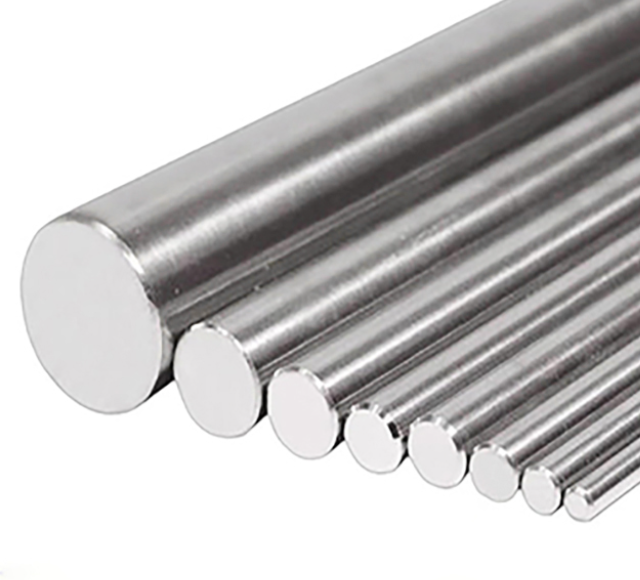
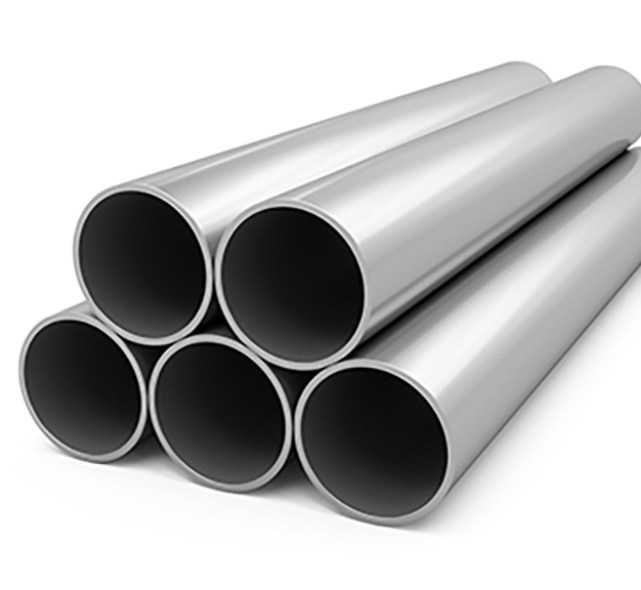
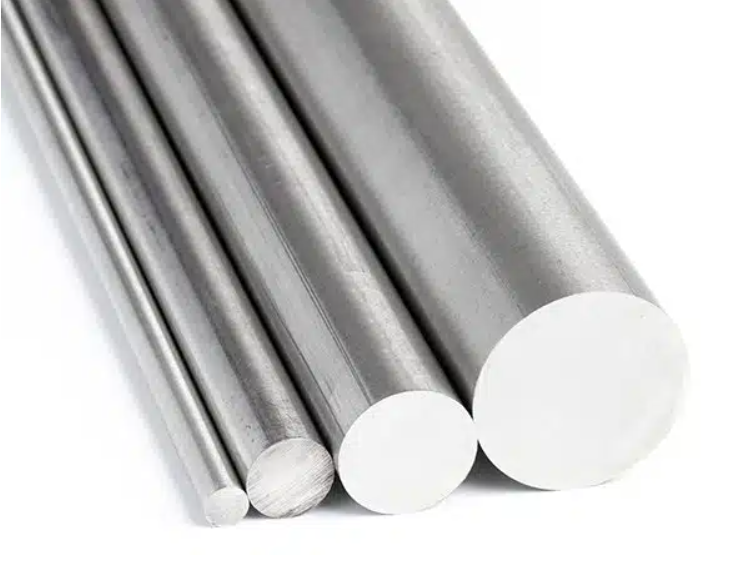
For nickel-alloy tube or bar enquiries, buyers should provide the salt chemistry, impurity limits, component, temperature, pressure, dimensions, product standard, condition, corrosion-test requirements, NDT and documentation scope.
Emily PIPE can review whether the requested nickel-alloy tube or bar grade, dimensions, condition, surface, testing and certification requirements are technically manufacturable.
Final alloy selection, corrosion qualification, creep design and system approval should remain with the thermal-storage system designer and responsible materials engineer.
.jpg)