
Hastelloy C22 vs C276: Which Is Better for Mixed Acid Service?
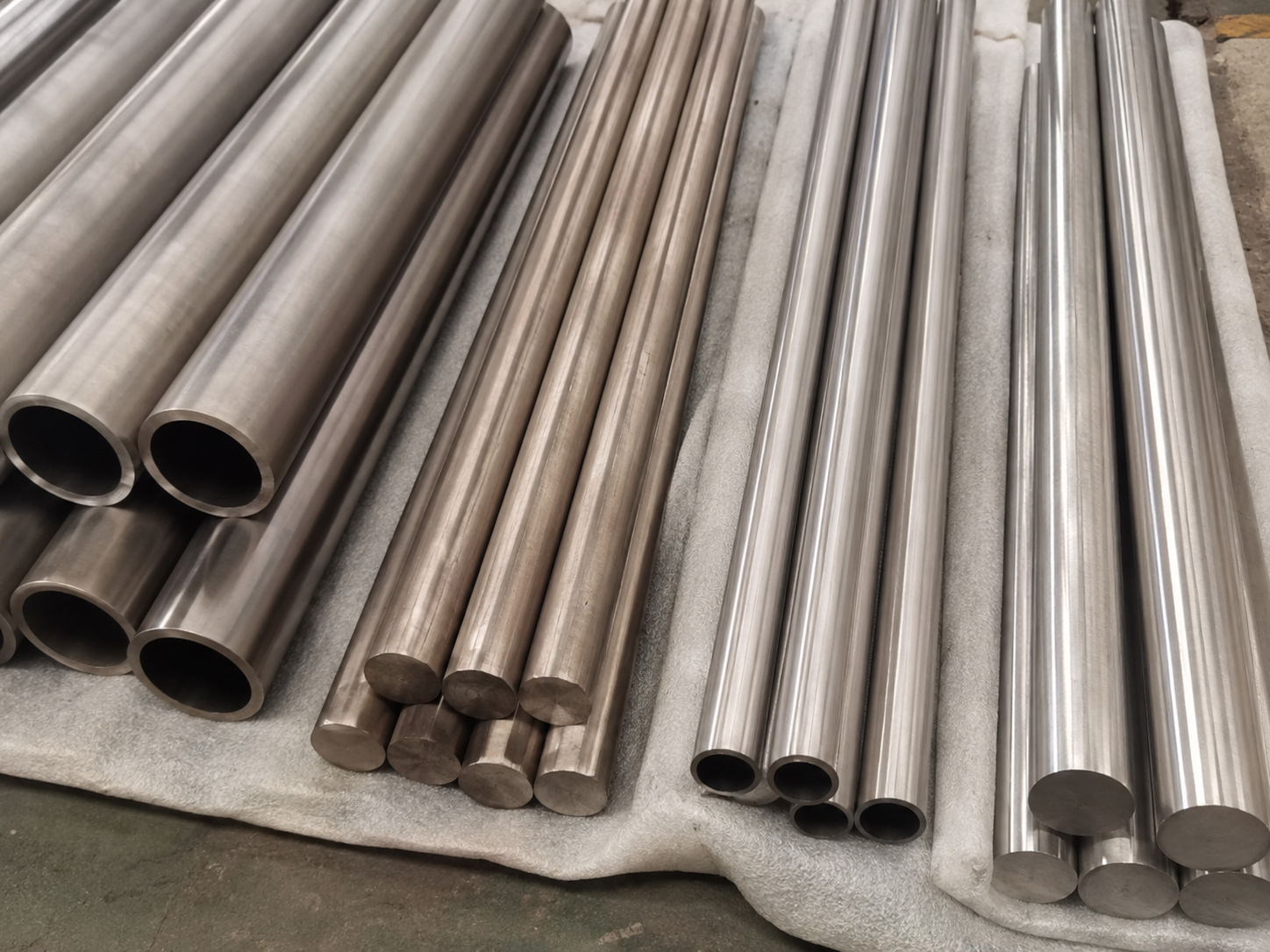
Image credit: Hermann Luyken, Wikimedia Commons, CC BY-SA 3.0.
Hastelloy C22 and C276 are both nickel–chromium–molybdenum alloys used in severe chemical-processing environments.
The main difference is not that one alloy is universally better.
C22 is generally the stronger starting candidate when oxidizing contaminants, wet chlorine, hypochlorites, ferric ions, or severe chloride-related localized corrosion are important. C276 remains an important candidate when the process is dominated by strong reducing acids such as hydrochloric acid and when its higher molybdenum and tungsten content is beneficial.
The final choice must be based on the complete mixed-acid composition, temperature, impurities, aeration, flow, weld condition, and credible process upsets.
C22 vs C276: Quick Selection Guide
| Process Condition | Stronger Starting Candidate | Why |
|---|---|---|
| Mixed acid with oxidizing contaminants | C22 | Higher chromium supports passivity in oxidizing conditions |
| Ferric or cupric ions in chloride-bearing acid | Often C22 | Stronger resistance to oxidizing localized-corrosion conditions |
| Wet chlorine or hypochlorite exposure | Often C22 | Oxidizing halide conditions favour its higher chromium balance |
| Predominantly reducing hydrochloric acid | C276 or C22 after testing | C276 contains more molybdenum and tungsten |
| Dilute reducing sulfuric acid | C276 or C22 after testing | Temperature and oxidizing impurities can change the ranking |
| Severe crevice-corrosion risk | Often C22 | It generally provides a higher localized-corrosion margin |
| Stable service with successful C276 history | C276 | Proven plant history may be stronger evidence than a generic ranking |
| Frequently changing oxidation-reduction condition | Often C22 | Broader passivation margin may be useful |
| Unknown or poorly defined chemical mixture | Neither should be approved | Representative process data are required |
This table is a screening tool, not a material approval.
What Is the Composition Difference?
C22 is UNS N06022.
C276 is UNS N10276.
| Nominal Element | C22 | C276 | Main Effect |
|---|---|---|---|
| Nickel | Balance, approximately 56% | Balance, approximately 57% | Resistance to many acids and chloride stress-corrosion cracking |
| Chromium | Approximately 22% | Approximately 16% | Supports passive-film stability in oxidizing conditions |
| Molybdenum | Approximately 13% | Approximately 16% | Supports resistance to reducing acids and localized corrosion |
| Tungsten | Approximately 3% | Approximately 4% | Supplements molybdenum and strengthens the alloy |
| Iron | Approximately 3% | Approximately 5% | Controlled secondary constituent |
| Carbon | Very low | Very low | Reduces weld-related sensitization risk |
The higher chromium content of C22 generally improves resistance to oxidizing media.
The higher molybdenum and tungsten content of C276 can be advantageous in strongly reducing acid environments.
A peer-reviewed review of commercial corrosion-resistant alloys describes C22 as an improvement over C276 in oxidizing environments and localized corrosion.
This compositional difference establishes a selection direction—not a universal performance ranking.
When Is C22 the Stronger Candidate?
C22 should receive particular consideration when the process contains both acid and oxidizing species.
Examples include:
- Hydrochloric acid with ferric ions
- Sulfuric acid containing oxidizing metal ions
- Wet chlorine
- Hypochlorite
- Chlorine dioxide
- Mixed oxidizing and reducing cleaning solutions
- Acidic chloride solutions with severe crevices
- Processes that alternate between reducing and oxidizing conditions
In these environments, the higher chromium level can help maintain a more stable passive surface.
A peer-reviewed comparison of C-type alloys found C22 to have stronger corrosion performance than C276 in the investigated oxidizing and reducing aqueous environments, relating this result to its optimized chromium, molybdenum, and tungsten balance.
C22 should still be verified for:
- Maximum temperature
- Acid concentration
- Chloride concentration
- Oxidizing-ion concentration
- Crevice geometry
- Stagnant zones
- Weld condition
- Cleaning chemicals
“Contains an oxidizer” is not enough information to approve the alloy.
When Is C276 the Stronger Candidate?
C276 remains one of the most widely used Ni-Cr-Mo-W alloys for severe chemical service.
It should receive particular consideration when:
- Hydrochloric acid is the dominant medium
- The environment remains strongly reducing
- High molybdenum and tungsten content is beneficial
- Existing plant history supports C276
- The equipment encounters several reducing acids
- The required component has an established C276 fabrication procedure
A study on materials selection for concentrated hydrochloric acid explains that HCl corrosion changes substantially with concentration, temperature, and oxidizing impurities such as ferric ions.
This distinction is important.
C276 may perform strongly in controlled reducing HCl but lose part of its comparative advantage when ferric ions, dissolved oxygen, chlorine, or another oxidizer changes the process potential.
C276 should not be rejected merely because the system contains some oxidizing species. The concentration and combined chemistry determine whether the effect is significant.
Mixed Acid Does Not Mean One Fixed Environment
The phrase “mixed acid” is incomplete.
A process specification should identify every relevant component.
| Required Chemical Data | Example Questions |
|---|---|
| Main acids | HCl, H₂SO₄, HNO₃, H₃PO₄, organic acids? |
| Concentrations | Normal, minimum, maximum, and cleaning values? |
| Oxidizing ions | Fe³⁺, Cu²⁺, hypochlorite, peroxide, chlorine? |
| Halides | Chloride, fluoride, bromide, or iodide? |
| Dissolved oxygen | Aerated, deaerated, or variable? |
| Temperature | Normal, maximum, startup, and upset? |
| pH | Full operating range? |
| Solids | Deposits, crystals, catalyst particles, or slurry? |
| Flow | Stagnant, agitated, or high velocity? |
| Cleaning | CIP acids, oxidizers, steam, or alkaline chemicals? |
A stream containing 10% HCl and a small quantity of ferric chloride can behave differently from reagent-grade 10% HCl.
The material review must use the actual process mixture.
How Do Chlorides and Oxidizers Change the Comparison?
Chlorides Without Strong Oxidizers
Both C22 and C276 provide high resistance to chloride-related pitting, crevice corrosion, and stress-corrosion cracking compared with conventional stainless steels.
C276 may remain a strong candidate when reducing acid chemistry controls the environment.
Chlorides With Oxidizing Ions
Ferric ions, cupric ions, chlorine, or hypochlorite shift the environment in a more oxidizing direction.
C22 commonly becomes the stronger starting candidate because its higher chromium content supports passivity under these conditions.
Fluorides
Fluoride can change the corrosion mechanism and should not be treated as equivalent to chloride.
Neither alloy should be approved for mixed fluoride-acid service without representative testing.
Aeration
Air leakage or oxygen injection can change a reducing process into a partially oxidizing one.
The RFQ should state whether laboratory data represent aerated or deaerated conditions.
General Corrosion and Localized Corrosion Must Be Evaluated Separately
A low average corrosion rate does not prove that a material is safe from deep local penetration.
The material review should separately evaluate:
- Uniform corrosion
- Pitting
- Crevice corrosion
- Weld attack
- Heat-affected-zone attack
- Stress-corrosion cracking
- Corrosion beneath deposits
- Maximum penetration depth
C22 often provides an advantage in oxidizing chloride-related localized-corrosion conditions.
C276 can still provide excellent localized-corrosion resistance, particularly when the process remains within its proven operating envelope.
The selected alloy should meet both the average-loss limit and the maximum local-attack limit.
What Do ASTM G28 and G48 Actually Prove?
ASTM G28-24
ASTM G28-24 evaluates susceptibility to intergranular corrosion in wrought nickel-rich, chromium-bearing alloys.
Method B uses a boiling mixed solution containing sulfuric acid, hydrochloric acid, ferric chloride, and cupric chloride.
Its purpose is to detect harmful grain-boundary precipitation caused by composition or processing.
It does not prove that a component will survive every mixed-acid process.
ASTM G48-25
ASTM G48-25 compares resistance to the initiation of pitting and crevice corrosion in an oxidizing ferric-chloride solution.
It is useful for:
- Relative alloy ranking
- Critical pitting temperature
- Critical crevice temperature
- Comparing parent material and welds
It does not establish:
- Performance in non-chloride acids
- Localized-corrosion propagation rate
- Service life in the actual process
- Resistance to every mixed chemical environment
The purchase order should state the test method, specimen condition, temperature, duration, and acceptance criteria.
Which Product Standards Apply?
| Product Form | C22 and C276 Standard |
|---|---|
| Seamless pipe and tube | ASTM B622-23 |
| Welded tube | ASTM B626-26 |
| Rod and bar | ASTM B574-23 |
ASTM product compliance verifies requirements such as:
- Chemical composition
- Heat treatment
- Mechanical properties
- Dimensions
- Hydrostatic or nondestructive testing
- Workmanship
- Certification
It does not prove mixed-acid compatibility.
The order should use the UNS designation:
- C22: UNS N06022
- C276: UNS N10276
Writing only “Hastelloy material” or “C-type alloy” is insufficient.
Heat Treatment and Welding Matter
Both alloys are normally supplied in a solution-annealed condition to optimize corrosion resistance and ductility.
The purchase and fabrication specification should define:
- Supplied heat-treatment condition
- Forming reduction
- Whether re-solution annealing is required
- Welding process
- Matching or overmatching filler metal
- Heat input
- Interpass temperature
- Cleaning between weld passes
- Final weld-surface condition
- Weld and HAZ corrosion testing
- Repair-weld procedure
Poor heat treatment or welding can introduce precipitates, segregation, oxide contamination, or geometric crevices.
A compliant parent-material certificate does not qualify the completed weld.
What Process-Specific Corrosion Test Is Needed?
ASTM G31-21(2025) provides guidance for laboratory immersion corrosion testing.
The project should define:
| Test Variable | Required Information |
|---|---|
| Chemical mixture | Every acid, salt, oxidizer, and impurity |
| Concentration | Normal and credible maximum |
| Temperature | Normal, maximum, and upset |
| Aeration | Aerated, deaerated, or controlled |
| Flow | Static, agitated, or flowing |
| Duration | Long enough to detect continuing or delayed attack |
| Specimen | Parent material, weld metal, and HAZ |
| Surface | Representative final production condition |
| Crevice | Included where equipment geometry creates one |
| Evaluation | Average rate and maximum localized depth |
| Acceptance | Project-defined limits |
Short tests in pure reagent-grade acids should not override representative plant data.
What Buyers Should Include in the RFQ
| RFQ Category | Required Information |
|---|---|
| Chemical composition | Complete mixed-acid formula |
| Concentrations | Normal, minimum, maximum, and cleaning |
| Oxidizers | Ferric ions, cupric ions, peroxide, chlorine, or hypochlorite |
| Halides | Chloride, fluoride, bromide, and concentration |
| Temperature | Normal, maximum, startup, and upset |
| Aeration | Oxygen, inert gas, or variable condition |
| Flow | Velocity, agitation, and stagnant periods |
| Equipment | Tube, pipe, bar, heat exchanger, pump, valve, or reactor |
| Alloy | UNS N06022 or UNS N10276 |
| Product standard | ASTM B622, B626, B574, or project specification |
| Condition | Solution annealed and required surface |
| Dimensions | OD, wall, diameter, length, tolerance, and quantity |
| Welding | Process, filler, qualification, and corrosion test |
| Testing | G28, G48, process immersion test, and acceptance |
| NDT | ECT, UT, hydrostatic, PT, or project examination |
| Documentation | MTC, heat treatment, NDT, and corrosion reports |
| Approval authority | Equipment designer or corrosion engineer |
A request stating only:
“Please quote C22 or C276 for mixed acid.”
does not provide enough information for a technically reliable comparison.
Frequently Asked Questions
Is C22 always better than C276?
No. C22 generally provides a stronger starting position in oxidizing mixed acids and severe localized-corrosion environments. C276 remains a strong candidate in many reducing acid services.
Is C276 better for hydrochloric acid?
It is often an important candidate because of its higher molybdenum and tungsten content. Temperature, concentration, ferric ions, oxygen, and other oxidizers can change the comparison.
Which alloy is better when ferric chloride is present?
C22 is commonly the stronger starting candidate because the environment combines oxidizing potential with chloride-related localized-corrosion risk.
Can C22 and C276 be substituted directly?
No. A substitution requires review of the complete chemistry, temperature, product form, mechanical requirements, weld procedure, and corrosion evidence.
Does ASTM G48 prove service compatibility?
No. It ranks resistance to pitting and crevice-corrosion initiation under standardized ferric-chloride conditions.
Does ASTM G28 prove mixed-acid resistance?
No. It primarily detects susceptibility to intergranular corrosion caused by composition or processing.
What is the standard for seamless C22 and C276 tube?
ASTM B622-23 covers applicable seamless pipe and tube in UNS N06022 and UNS N10276.
What information is essential for quotation?
Provide the complete chemical mixture, concentrations, temperature, oxidizers, halides, material grade, product form, dimensions, heat treatment, testing, NDT, and quantity.
Conclusion
The C22 versus C276 decision should be based on the process redox condition and localized-corrosion risk.
C22 is generally the stronger starting candidate when:
- Oxidizing contaminants are present.
- Chlorides and oxidizers occur together.
- Wet chlorine or hypochlorite is involved.
- Severe crevice-corrosion resistance is required.
- Conditions fluctuate between oxidizing and reducing.
C276 remains an important candidate when:
- Strong reducing acids dominate.
- Hydrochloric acid is the main medium.
- Existing service history supports the grade.
- Higher molybdenum and tungsten content fits the process chemistry.
Neither alloy should be selected from a simple composition table.
For C22 or C276 tube and bar enquiries, buyers should provide the complete chemical composition, temperature, alloy, UNS designation, product standard, dimensions, heat treatment, corrosion testing, NDT, documentation, and quantity.
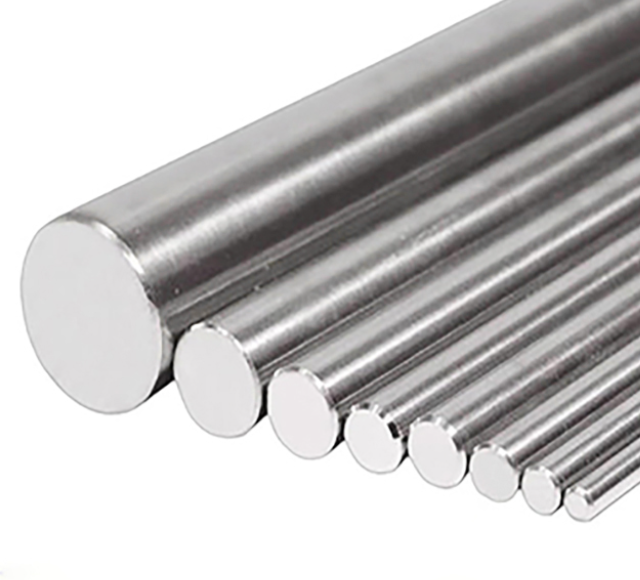
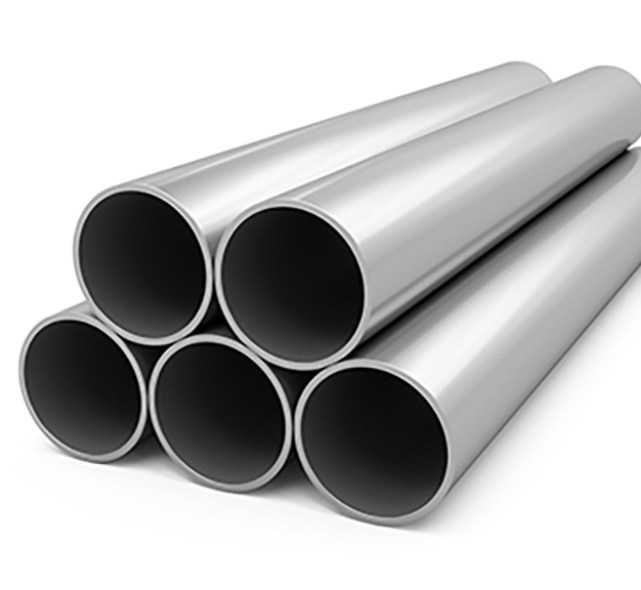
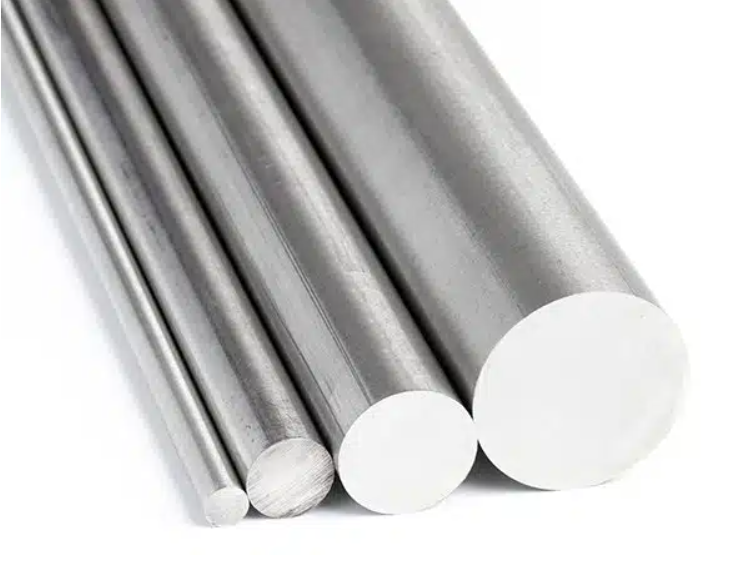
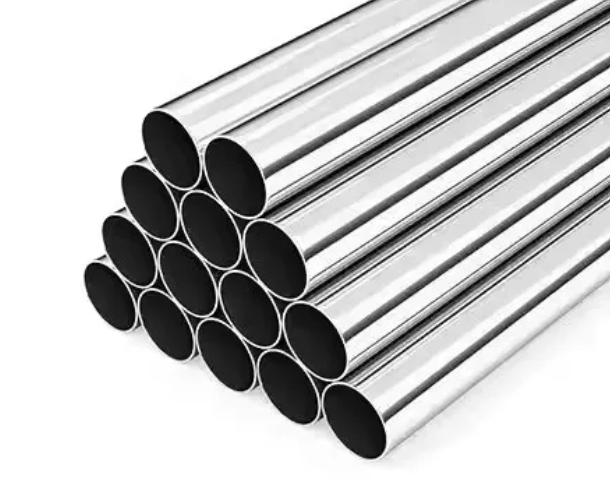
Emily PIPE can review whether the requested C22 or C276 tube or bar dimensions, supplied condition, surface, inspection, certification, and packaging requirements are technically manufacturable.
Final corrosion approval, equipment design, alloy substitution, and welding qualification should remain with the responsible equipment designer and materials or corrosion engineer.